Photo: Polina Kovaleva
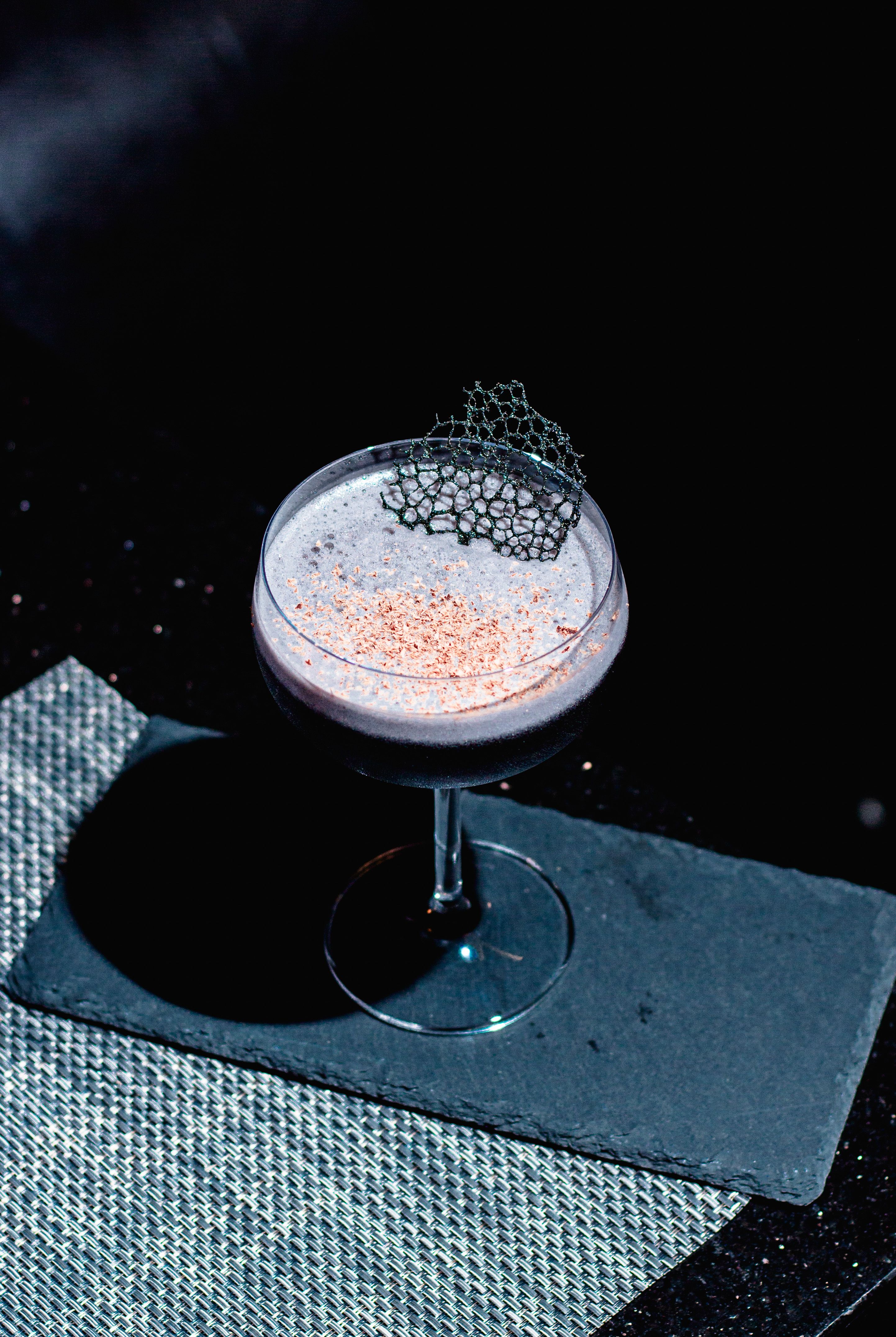
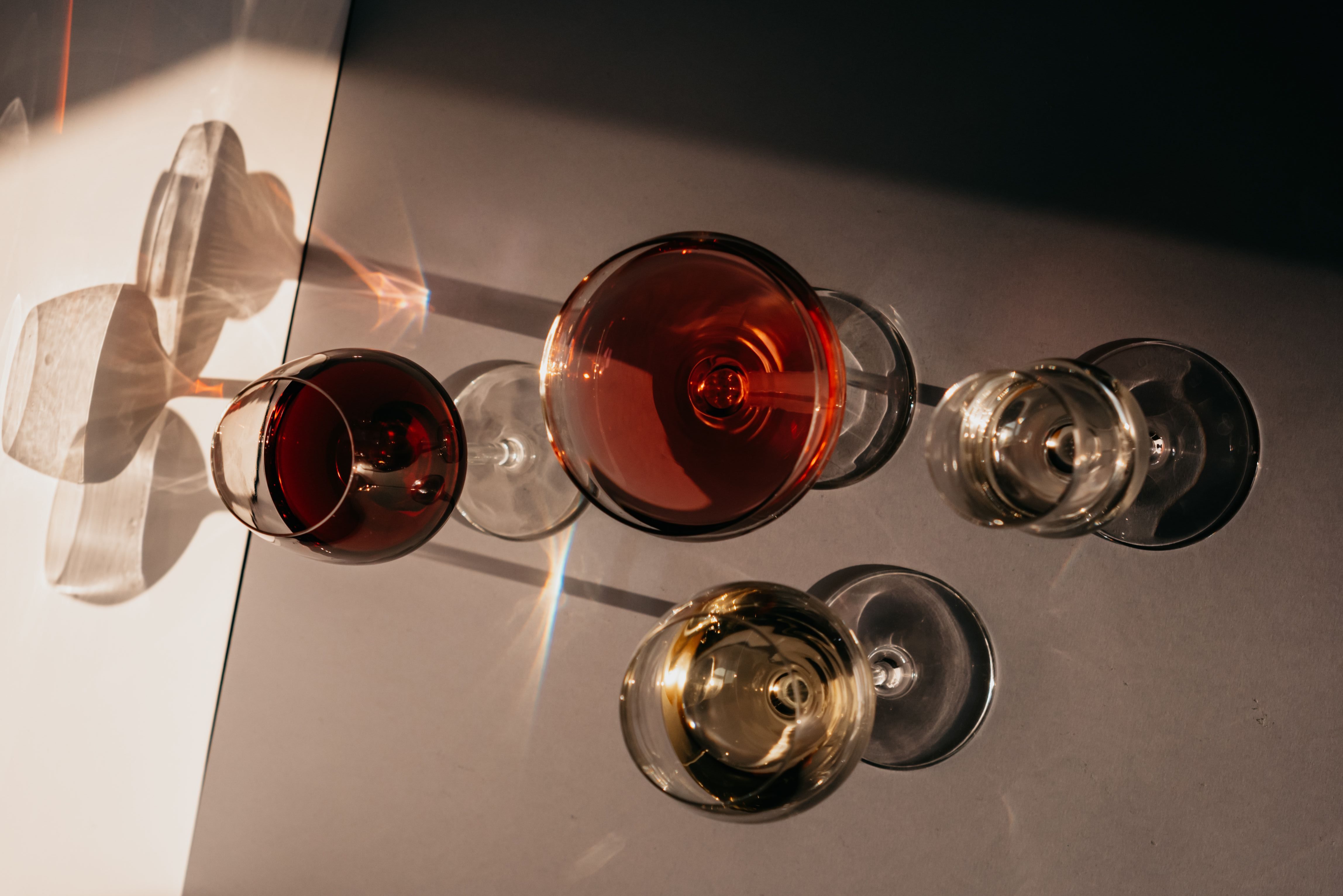
Port is stepping out of the dining room and into the aperitif hour, cocktail bar and modern wine list.
For generations, Port wine has occupied a very specific place in the drinks world.
It arrives after dinner. It is poured into a small glass. It is paired with Stilton or chocolate. And, for many drinkers, that is where the story ends.
But Port is beginning to rewrite the rules.
A new generation of producers, bartenders and drinkers is rediscovering the category — particularly Ruby Port and White Port — and finding that the fortified wine of the Douro Valley can be considerably more versatile than its traditional image suggests.
Ruby Port gets a second life
Ruby Port is perhaps the most straightforward entry point into the category.
Unlike Tawny Port, which develops its character through extended ageing in wood, Ruby Port is made to preserve the deep colour, intensity and fruit character of a young wine. The official Port authority describes Ruby, Reserve Ruby, Late Bottled Vintage and Vintage as the category’s “Ruby style”.
That makes Ruby particularly relevant to today’s appetite for fruit-driven red wines.
Expect ripe berry flavours, plum, cherry and chocolate alongside the sweetness and richness associated with Port.
But the opportunity is to stop treating Ruby Port exclusively as a dessert wine.
Its concentrated fruit profile makes it an intriguing ingredient for modern cocktails, while its relatively accessible price compared with prestige Vintage Port makes it an easy way for new drinkers to enter the category.
The future of Ruby Port may therefore be less about the cheese board and more about the bar.
White Port wants your aperitif hour
If Ruby Port is reclaiming its place at the table, White Port is going after the aperitif.
White Port can range from extra dry to very sweet, with styles that can be fresh and aromatic or deeply complex after extended ageing in wood.
But its biggest advantage is refreshment.
Serve a dry White Port chilled, add tonic, ice and citrus, and you have the Portonic — Portugal’s answer to the Gin & Tonic.
The Instituto dos Vinhos do Douro e Porto itself recommends dry White Port with tonic, ice and lemon as an aperitif.
And the drink is finding a receptive audience outside Portugal, particularly among bartenders looking for lower-ABV alternatives to spirit-based cocktails. White Port can also work as a cocktail modifier, bringing acidity, sweetness, fruit and wine-like complexity to drinks.
That versatility could be White Port’s secret weapon.
The new Port is not necessarily sweet
One of the biggest misconceptions surrounding Port is that it is simply a sweet, heavy wine.
The category is considerably broader.
Port can be extra dry, dry, semi-dry, sweet or very sweet, and White Port exists across this entire spectrum.
That opens the door to a very different consumer proposition.
A dry White Port can sit comfortably alongside vermouth, sherry or other aperitif wines. An aged White Port can offer layers of dried fruit, honey, citrus peel and spice. And Ruby Port can provide intense fruit character without requiring decades of ageing.
The category suddenly looks less like a relic and more like a toolkit.
From after-dinner ritual to cocktail culture
This may be the most important shift happening in Port.
Cocktails are giving fortified wines a new route into younger drinking occasions, and Port is particularly well suited to the movement.
The Port & Tonic is the obvious example, but Ruby, White and Rosé Ports can all be incorporated into contemporary cocktails.
That changes the question from:
“Do you drink Port?”
to:
“How do you want to drink it?”
It is a subtle distinction, but an important one.
Port no longer has to compete with wine for a place at the dinner table. It can compete with gin, vermouth, aperitifs and even ready-to-drink cocktails.
Port’s new generation
The opportunity for Port is not to abandon its heritage.
The Douro, its vineyards and centuries-old winemaking traditions remain central to what makes the category distinctive. Port is still a fortified wine produced under specific conditions in Portugal’s Douro Demarcated Region.
The opportunity is to expand the occasions around it.
Ruby Port can become the approachable, fruit-forward gateway.
White Port can become the sophisticated aperitif.
Aged White Port can challenge the idea that white wine cannot be serious.
And the Portonic can introduce an entirely new generation to the category.
Port doesn’t need to become something else.
It simply needs to be seen differently.
The next Port revolution may not happen in the cellar. It may happen at the bar.