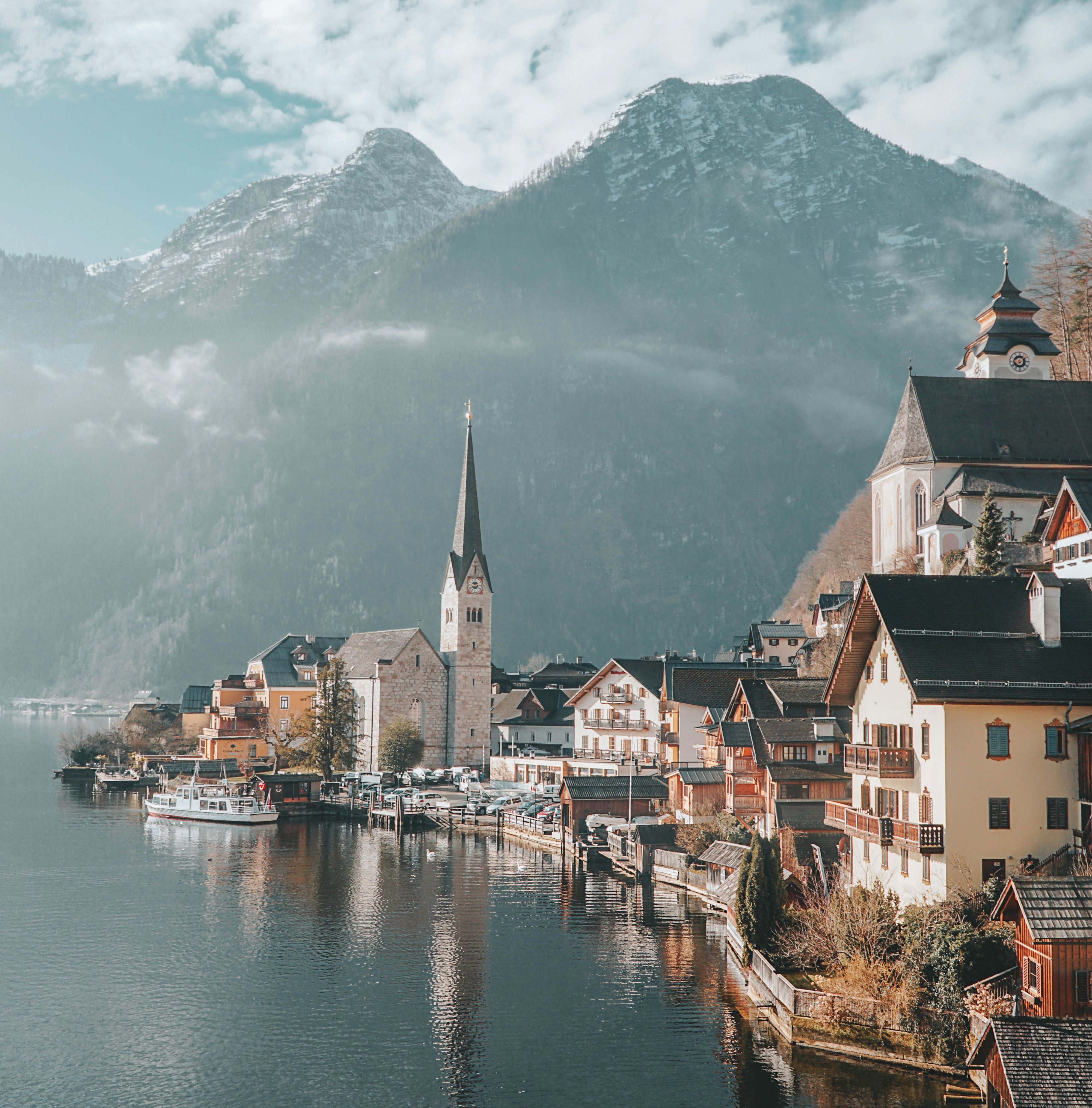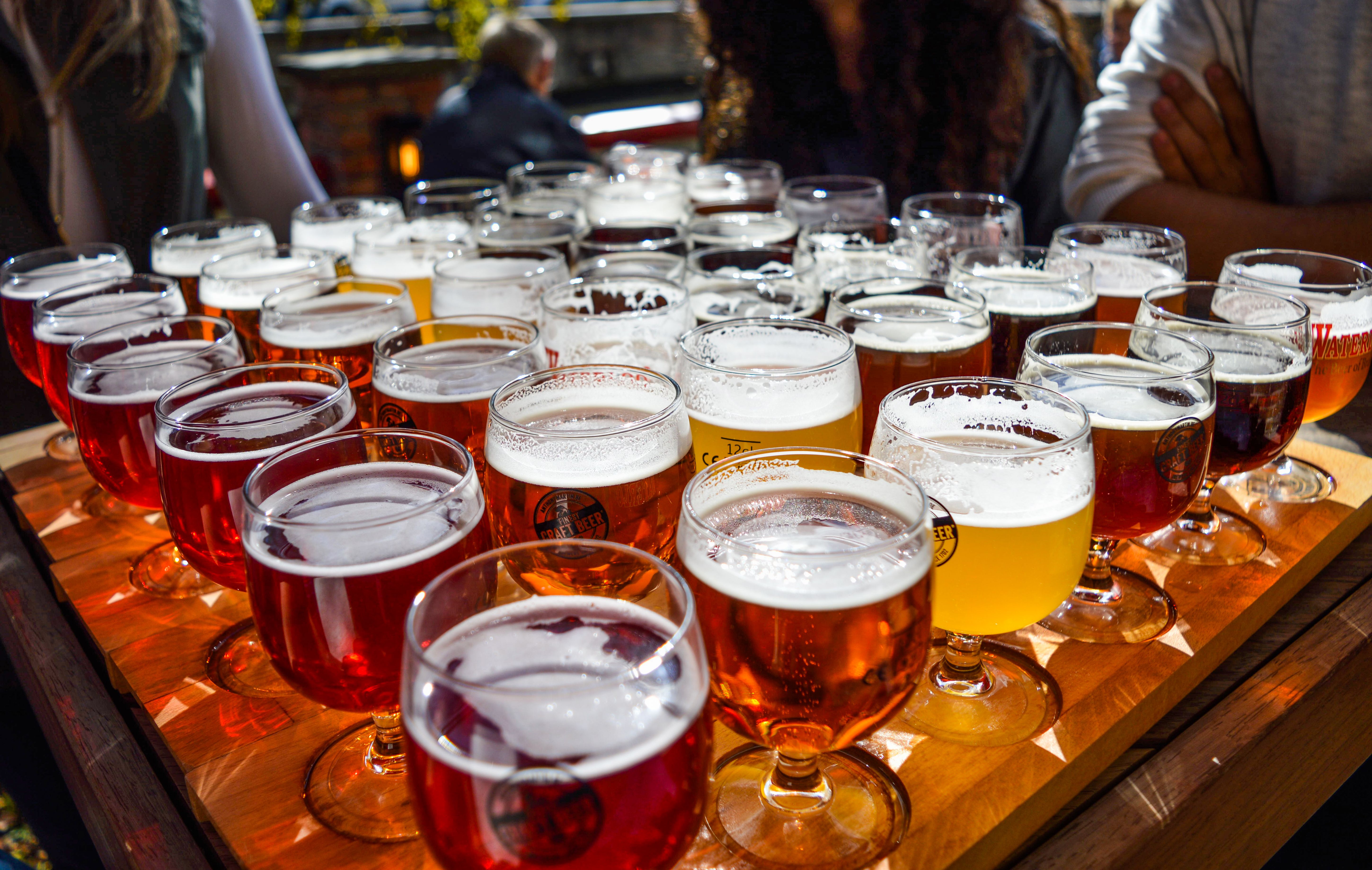
Europe may be drinking less beer, but in Central Europe the relationship between beer, place and people remains remarkably resilient. From Prague to Vienna, beer is proving that a declining category can still have a powerful cultural future.
The European beer market is in retreat.
According to the latest European Beer Trends 2026 data from The Brewers of Europe, beer consumption across the EU fell 3.2% in 2025, bringing the cumulative decline since 2019 to 9.2%. Beer production fell by 2.9% over the year and is now 8.6% below its 2019 level.
Yet walk into a beer hall in Prague, a Gasthaus in Vienna or a traditional pub in Central Europe and the picture looks rather different.
Beer is still everywhere.
And, in some of the region’s biggest beer-drinking nations, consumption remains among the highest in Europe.
The Central European exception
The EU average is currently around 67 litres of beer per person per year, according to The Brewers of Europe’s latest country data. Austria sits significantly above that at 91 litres per capita.
The Czech Republic is even more striking.
According to the 2026 European Beer Trends data, Czech beer consumption stood at approximately 121 litres per person in 2025, making it Europe’s leading beer-drinking market on a per-capita basis. Poland, meanwhile, remained a major beer market despite a significant decline, with consumption falling to around 80 litres per person in 2025.
These numbers matter because they reveal something the headline European decline can obscure:
Beer is not disappearing at the same speed everywhere.
In Central Europe, beer remains embedded in everyday life.
Beer is more than a beverage
The Czech relationship with beer is perhaps the clearest example.
Beer is woven into the country’s restaurant culture, regional identity and social life. A beer in a Prague pub is not necessarily an “alcohol occasion” in the way the term might suggest elsewhere. It can simply be part of lunch, conversation or an evening with friends.
Austria has a similarly established beer culture, with 91 litres consumed per person in 2025 according to The Brewers of Europe. The country also remains home to hundreds of breweries, with the latest association data recording 362 breweries and more than 8.7 million hectolitres of production.
The result is a category that is changing without losing its cultural relevance.
The beer hall still matters
One reason Central European beer culture remains resilient is the importance of the on-trade.
Beer is at its most culturally powerful when it is consumed somewhere.
At a long wooden table.
In a neighbourhood pub.
At a beer garden.
At a festival.
Alongside a plate of schnitzel, sausages or goulash.
The Brewers of Europe reports that hospitality has weakened considerably across the EU, with the proportion of beer consumed through the on-trade falling from around one-third of the market to roughly one-quarter.
But Central Europe’s traditional drinking culture gives beer something that many newer beverages cannot easily replicate: ritual.
You don’t simply order a beer.
You go for one.
From lager to local identity
There is also a growing appreciation for regionality.
Central Europe’s beer landscape is not defined solely by multinational lager brands. Traditional breweries, independent producers and local beer styles continue to give different cities and regions their own drinking identities.
That matters at a time when consumers increasingly want to know where products come from.
Beer can offer a remarkably direct connection between agriculture, place and culture: malt, hops, water, brewing traditions and local history all converge in a single glass.
The old-fashioned idea of “local beer” is therefore becoming surprisingly contemporary.
The rise of no-alcohol beer
Perhaps the biggest change isn’t happening outside beer.
It is happening inside the category.
The Brewers of Europe identifies non-alcohol beer as the industry’s clearest growth segment. Its latest figures show that non-alcohol beer has increased by 25% over five years, while the organisation says approximately one in every 15 beers consumed in Europe is now non-alcoholic.
This is important for Central Europe.
The region’s beer culture does not necessarily have to disappear as consumers moderate their alcohol intake. Instead, the ritual can remain while the alcohol content changes.
A 0.0% lager at lunch.
A traditional Pilsner in the evening.
A beer garden with friends without necessarily drinking alcohol.
The category can accommodate all three.
Oktoberfest proves the point
Few events demonstrate beer’s cultural resilience better than Oktoberfest.
Millions still travel to Munich for an experience built around beer, food, music and communal celebration. Yet even Oktoberfest is evolving, with alcohol-free beer becoming increasingly visible alongside the traditional Maß.
The lesson is bigger than the festival itself.
People are not necessarily attached to alcohol.
They are attached to the experience.
That may be one of beer’s greatest advantages as the European drinks market changes.
What happens next?
The future of European beer is unlikely to be defined by a return to the enormous volumes of the past.
The numbers simply don’t support it.
Instead, beer’s next chapter may be about quality, locality, experience and choice.
Central Europe provides the blueprint.
The Czech Republic can retain its extraordinary beer culture while consumers drink slightly less. Austria can continue its centuries-old brewing traditions while embracing alcohol-free beer. Breweries can focus on premiumisation, regional identity and new styles rather than simply chasing volume.
The beer category is shrinking.
But beer culture is proving considerably harder to kill.
Europe may be drinking fewer litres. In Central Europe, however, the pint still has a seat at the table.