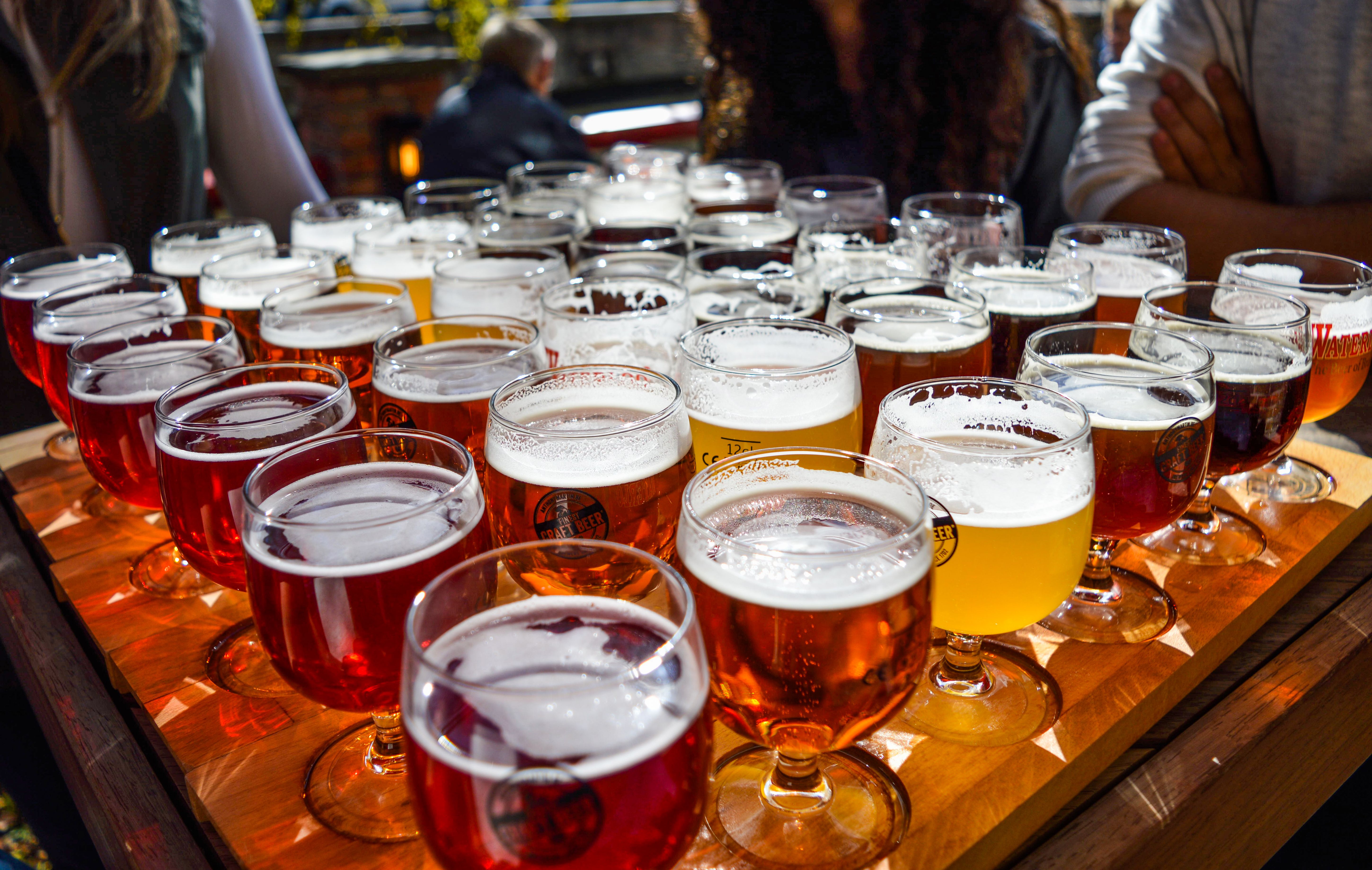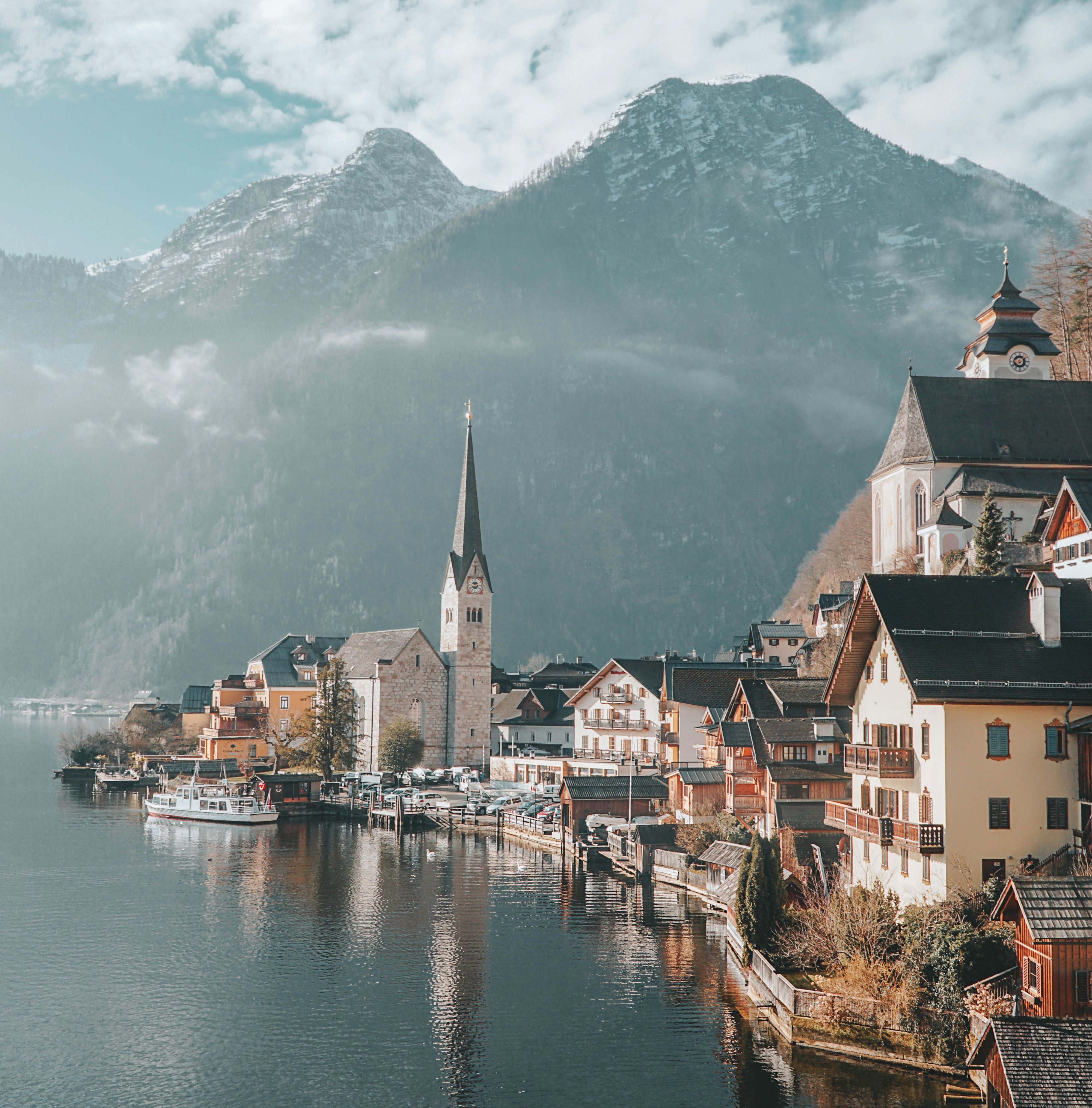
Austria has long been a country of wine taverns, beer halls and schnapps. Now a new drinking culture is emerging — one built around sparkling teas, wine proxies, alcohol-free aperitifs and drinks designed for the table rather than the hangover.
Austria is not exactly the first country that comes to mind when you think about drinking less.
There is Grüner Veltliner in the Heuriger. Beer in the Biergarten. Schnapps after dinner.
But beneath that traditional drinking culture, something is changing.
Austrian consumers are increasingly reaching for no- and low-alcohol drinks, and the country’s drinks industry is beginning to respond. In 2026, almost a quarter of Austrians were reported to regularly enjoy no- and low-alcohol alternatives, while the country’s first Austrian Zero Awards were created to recognise the best of the emerging category.
The result is a new kind of Austrian drinking experience — one that doesn’t necessarily involve saying no to alcohol, but does ask a more interesting question:
What else can we put in the glass?

Start with the new Austrian aperitif
The easiest place to begin is the aperitif.
Alcohol-free versions of bitter Italian-style aperitifs, vermouths and botanical spirits are becoming increasingly sophisticated. The 2026 Austrian Zero Awards included products such as Mionetto Aperitivo Alkoholfrei, Lillet Blanc 0%, UNDONE’s Italian Bitter Aperitif and Beefeater 0.0%.
Pour one over ice, add tonic or sparkling water and garnish with citrus, and the ritual remains familiar — even if the alcohol doesn’t.
For travellers, this is perhaps the most seamless way to explore Austria’s no/low scene.
Vienna’s secret weapon: the proxy
The more interesting development is wine proxy.
Rather than simply removing alcohol from wine, proxies attempt to recreate the complexity of wine using ingredients such as tea, fruit, herbs, spices and vinegar.
Vienna Tourism highlights proxies, kombucha-based drinks and sparkling teas as some of the city’s most interesting alcohol-free developments.
One particularly Viennese option is Simiaen Sprizz, an alcohol-free drink made using lichen.
Then there is verjus — juice made from unripe grapes — which offers acidity and complexity without the sweetness of conventional fruit juice.
For a city famous for wine, it’s an appropriately Austrian alternative.
Where to drink it: Rosi
Rosi
At Rosi, in Vienna’s 15th district, the alcohol-free selection is treated as part of the restaurant experience rather than an afterthought. Vienna Tourism specifically highlights the restaurant for its extensive selection of alcohol-free drinks.
The modern vegetarian restaurant pairs its food with natural wines as well as a broad selection of non-alcoholic alternatives, making it a particularly good stop for anyone who wants to explore no/low alongside contemporary Austrian cuisine.
Try: ask for an alcohol-free pairing rather than simply ordering a soft drink.
The bottle shop you should know: kein&low
kein & low
If you want to understand where Austria’s no/low movement is heading, go to kein&low.
The Vienna bottle shop specialises entirely in no/low speciality beverages and currently stocks more than 100 products, including wine proxies, sparkling teas, alcohol-free spirits, Pet-Nats and other fermented drinks.
Its shelves include products such as Muri Passing Clouds, Opius Albedo, Villbrygg SKOG 03 and Von Wiesen Verbena & Quince.
But the real attraction is the tasting experience. The shop holds guided tastings exploring producers, origins, pairings and the differences between categories such as sparkling tea and proxy wine.
Where: Kaiserstraße 86, 1070 Vienna.
For dinner: Jola
At Jola, the plant-based fine-dining restaurant offers an alcohol-free beverage pairing, including drinks that are partly made in-house. Vienna Tourism describes the pairing as an integral part of the restaurant’s creative approach to food.
This is where no/low becomes particularly interesting.
The drink isn’t trying to imitate a glass of Chardonnay.
Instead, ingredients such as tea, herbs, fruit, vinegar and botanicals can be used to create something specifically designed for the dish.
The future of alcohol-free dining may not be alcohol-free wine. It may be something entirely new.
For the experimental drinker: Augora Fermente
Augora Fermente takes the fermentation route.
The Vienna restaurant and shop experiments with water kefir, kombucha, ginger beer and bergamot juice, making it an interesting destination for anyone wanting to explore the more culinary side of no/low drinks.
This is a useful reminder that the category is expanding beyond alcohol-free versions of familiar drinks.
Fermentation is becoming a flavour tool in its own right.
For serious food pairing: Tian
At Vienna’s vegetarian fine-dining restaurant Tian, alcohol-free drinks are given the same attention as wine.
The restaurant creates its own drinks to accompany its tasting menu, with examples including a pumpkin and wormwood drink, a spruce-tip and Isabella grape creation, and a tonic made using artichoke trimmings.
This is perhaps the clearest sign that Austria’s no/low movement is becoming something more sophisticated than a sober alternative.
It is becoming gastronomy.
And don’t overlook Austrian alcohol-free wine
Austria isn’t simply importing the no/low movement.
Local producers are experimenting too.
At the 2026 Austrian Zero Awards, Mayer am Pfarrplatz’s Mayer Alkoholfrei Riesling received Gold in the alcohol-free white wine category, while KATTUS No1 ZERO won Gold in the alcohol-free sparkling category. The awards also recognised Austrian sparkling teas, fruit-based drinks and other alcohol-free styles.
And then there is Zeronimo, the alcohol-free wine project from Austrian winery Heribert Bayer.
In July 2026, Zeronimo was named the winner of USA TODAY’s 10Best Readers’ Choice award for Best Non-Alcoholic Wine, giving Austrian alcohol-free wine an increasingly visible international profile.
Austria’s next drinking culture
The interesting thing about Austria’s no/low movement is that it doesn’t feel like a rejection of drinking culture.
It feels like an expansion of it.
The Heuriger isn’t disappearing. Neither is the Austrian wine tradition.
But alongside the Grüner Veltliner, there is now sparkling tea. Alongside the Schnapps, there is an alcohol-free bitter. Alongside the wine pairing, there is kombucha, verjus and a botanical proxy.
And in Vienna, you can spend an entire evening exploring drinks without ever feeling that you have been handed the children’s menu.
Austria may still know how to drink. It is simply getting better at choosing what goes in the glass.